SCF Renews Its Support for Dagana’s Energy and Agricultural Project
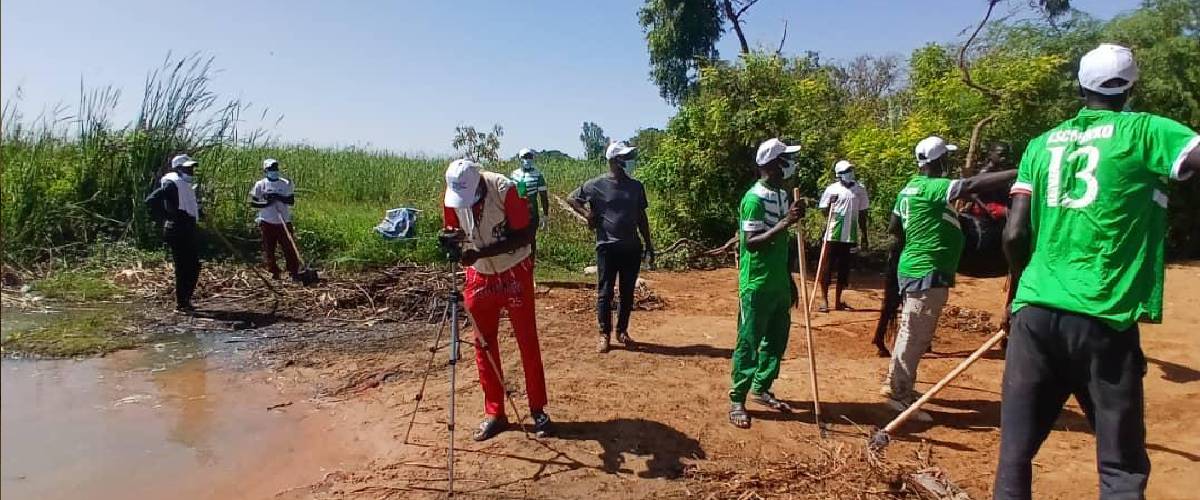
The Subnational Climate Fund (SCF) has strengthened its support for the project aimed at transforming the invasive plant Typha australis into biomass and energy in the Department of Dagana, located in the Senegal River Valley. This initiative, supported by ORU Fogar due to its strong impact on territorial development, is advancing towards new operational phases to turn a serious environmental crisis into a sustainable economic opportunity.
The uncontrolled proliferation of Typha australis has historically affected large areas of the Senegal River Valley, restricting fishing and agricultural areas, threatening biodiversity, and contributing to the spread of waterborne diseases such as schistosomiasis. In response to this challenge, SCF intervention focuses on pre-feasibility studies and technical assistance to optimize the biomass value chain, assessing harvesting volumes in strategic locations such as Lake Guiers and the left bank of the Senegal River.
The project adopts an integrated approach combining the production of clean electricity to reduce dependence on fossil fuels, the production of biochar for soil regeneration and permanent carbon sequestration, and the manufacture of organic fertilizers. These measures not only directly contribute to climate action under the Sustainable Development Goals (SDG 13), but also promote local economic growth (SDG 8) through the creation of between 120 and 150 formal jobs and community training programs. The initiative also incorporates a cross-cutting gender perspective (SDG 5), involving women’s groups in the commercial distribution of organic fertilizers for family farming.
With continued financial support and technical assistance, the Senegalese department is consolidating an innovative circular economy model that demonstrates how international cooperation and subnational climate action can transform critical environmental challenges into drivers of progress and resilience for territories.